Best Practices

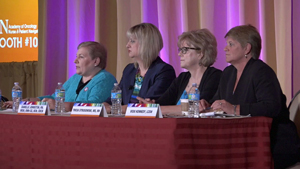
The metrics panel provides practical advice for starting and maintaining successful navigation programs and for using the AONN+ standardized metrics to define and streamline processes across multiple disease states.
Lillie Shockney notes that are many assessment tools available to navigators. Tricia Strusowski goes on to provide examples of how her institution handles key points of contact and process mapping.
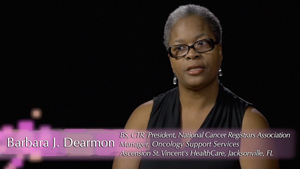
Barbara Dearmon encourages working closely with a cancer registry to help create a survivorship care plan.
Barbara Dearmon thinks navigators working collaboratively with the entire health care team will reduce barriers to care.
Vanessa Rodriguez explains why standardized metrics are important as they help define roles and responsibilities in navigation.
Vanessa Rodriguez discusses the Evidence into Practice Committee and how it is working to help provide a roadmap to navigators.
Barbara Francks discusses the struggle and resistance at the start of her new navigator program. She explains how she hit the pavement, bringing her message to healthcare professionals and the community to educate them on the importance of the role and program as a whole.
If you're struggling with your navigation and survivorship plan, Danelle Johnston recommends starting small. Don't be afraid to network and reach out to colleagues to see what works for them.
Lillie Shockney delivers her key points to beginning the navigation program.
Pamela Vlahakis is a huge proponent of multidisciplinary teams, since coordinated care is the safest and most efficient option for the patient.