Oncology Care Model

Oncology navigation is an ever-changing field that requires dynamic models of care to meet the needs of the patient. In January’s Facebook Live event, experts discussed a variety of navigation models and the role of the navigator.
Video Library published on January 12, 2021 in Oncology Care Model
The quality metrics that were put in place with the Oncology Care Model (OCM) support the lowering of costs. When navigators use AONN+'s Metrics Toolkit, their metrics can coincide with those that are being used in OCM.
Video Library published on January 11, 2021 in Oncology Care Model
Rani Khetarpal shares the 3 payment avenues for the Oncology Care Model.
Video Library published on January 11, 2021 in Oncology Care Model
Within the Oncology Care Model, the largest costs are attributed to drugs and in-patient hospitalizations. Oncology nurse and patient navigators are essential to reducing emergency room utilization and hospitalizations.
Video Library published on January 11, 2021 in Oncology Care Model
The Oncology Care Model has made a positive impact on improving access and appropriateness to care while keeping the care patient-centered.
Video Library published on January 11, 2021 in Oncology Care Model
Rani Khetarpal shares how models like OCM can be successful. Utilizing an outcomes-based clinical pathway tool and practice transformation are large factors in the success of the models.
Video Library published on January 8, 2021 in Oncology Care Model
The Oncololgy Care Model is a total cost of care model, meaning that within a 6-month episode, the oncologist is responsible for the cost associated with that particular beneficiary.
Video Library published on January 8, 2021 in Oncology Care Model
Rani Khetarpal shares how she became involved in AONN+ and why she took a leadership role in the organization.
Video Library published on January 8, 2021 in Oncology Care Model
Rani Khetarpal explains what goes into making the decision of moving into a 2-sided risk model along with the benefits and challenges of the model.
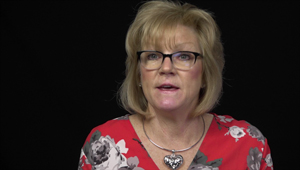
Video Library published on March 21, 2019 in Best Practices, CoC Standards, Oncology Care Model, Standardized Metrics
AONN+ Metrics Subcommittee Co-Chairs Danelle Johnston and Tricia Strusowski describe how the AONN+ National Navigation Metrics study attempts to find a way to measure progams and performance in order to demonstrate the ways in which oncology navigators impact patient experience and outcomes, and providers' return on investment.
Page 1 of 2
Results 1 - 10 of 13
Results 1 - 10 of 13

Advocating Partner

Supporting Partner

Supporting Partner

Supporting Partner

National Alliance Partner

National Alliance Partner

National Alliance Partner