The July 2026 CATCH Is Awarded to Kaylee Peacock, Lung Cancer Navigator with The Sarah Cannon Cancer Institute
 A CATCH is a navigation success story where a navigation tactic improved a patient’s situation. The CATCH initiative, short for Catching and Addressing Threats to Care and Health, tracks and acknowledges positive outcomes of navigation tactics.
The CATCH of the Month
Background: The patient, diagnosed with advanced lung cancer and previously identified with a large tumor measuring 11 cm, underwent a repeat PET/CT scan to evaluate disease status and guide next steps in treatment. The subsequent imaging report documented the tumor measuring 2 cm and described it as similar in size to the prior exam, creating a significant discrepancy. Based on this report, the patient was referred for surgical resection, and the findings were discussed with the patient and family, resulting in confusion and concern. Kaylee Peacock, Lung Cancer Navigator, became involved after the patient’s significant other reached out seeking clarification.
The Incident:
Following referral for surgical resection, a repeat PET/CT report inaccurately documented a decrease in tumor size from 11 cm to 2 cm. During the surgical consultation, the discrepancy was recognized, contributing to confusion for both the patient and family and raising concern regarding the accuracy of the clinical information guiding treatment decisions.
The CATCH (Intervention): After being contacted by the patient’s significant other, Kaylee Peacock, Lung Cancer Navigator, recognized the inconsistency and promptly intervened. She verified that a formal review of the imaging had not been initiated and proactively contacted the imaging center to request immediate clarification and re-evaluation of the report.
The Outcome: The imaging center confirmed a critical reporting error—the tumor measured 11.2 cm, not 2 cm. Kaylee Peacock’s timely intervention prevented inappropriate surgical planning based on inaccurate data, ensured accurate clinical decision-making, and avoided potential harm to the patient.
The Importance of the CATCH
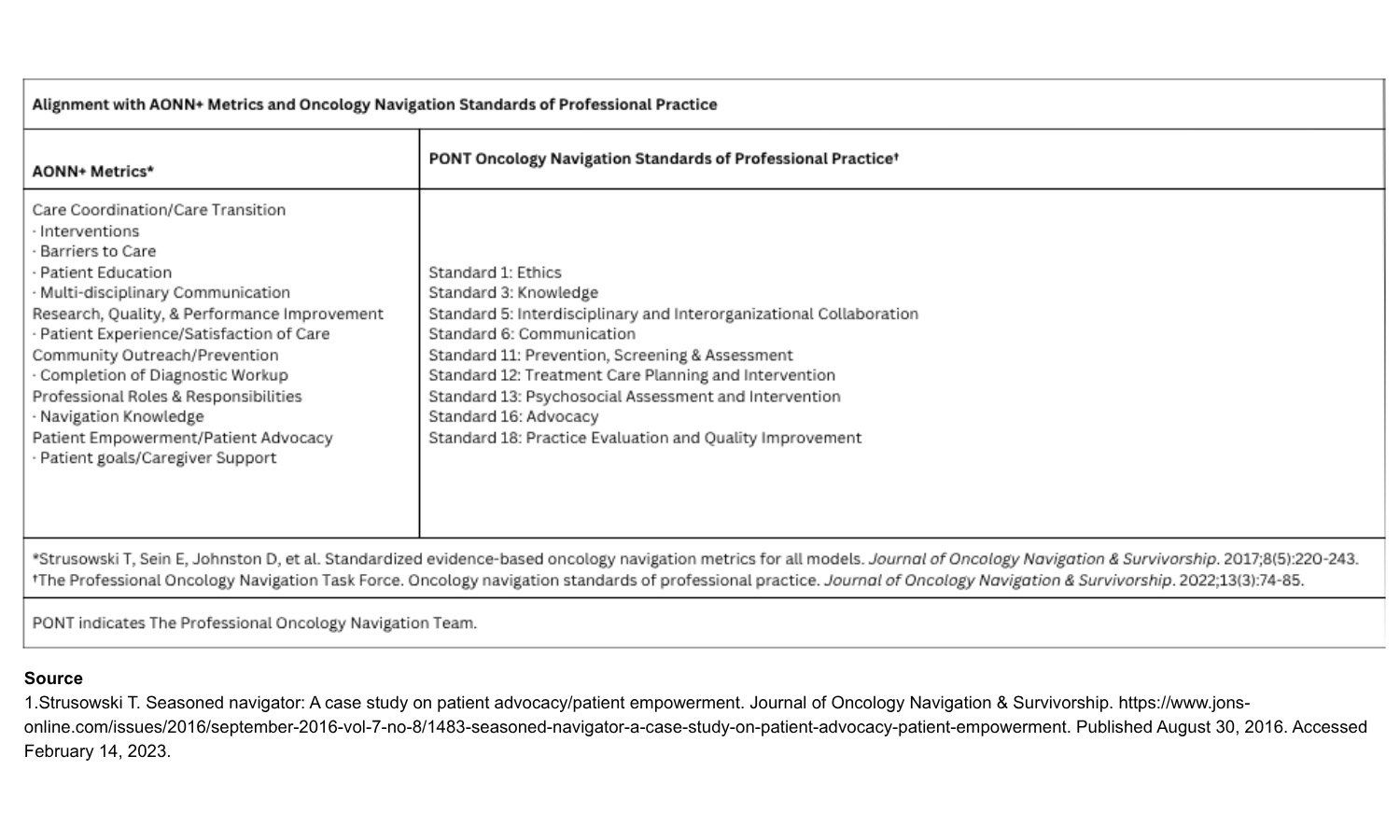
This CATCH emphasizes how navigation is able to connect the dots of the complex cancer journey and prevent pertinent information from falling through the cracks. This navigator utilized her clinical knowledge and communication techniques to successfully follow up on the imaging reports to rectify the error and make sure it was appropriately communicated to the patient and family. Imaging errors can inaccurately guide treatment decision making which can be detrimental to the patient’s outcome. This navigator recognized the issue and solved it in real time while simultaneously communicating with the patient and family to alleviate confusion and misinformation, which is a pivotal role of navigation.